AMITY HEALTHCARE GROUP NEWS
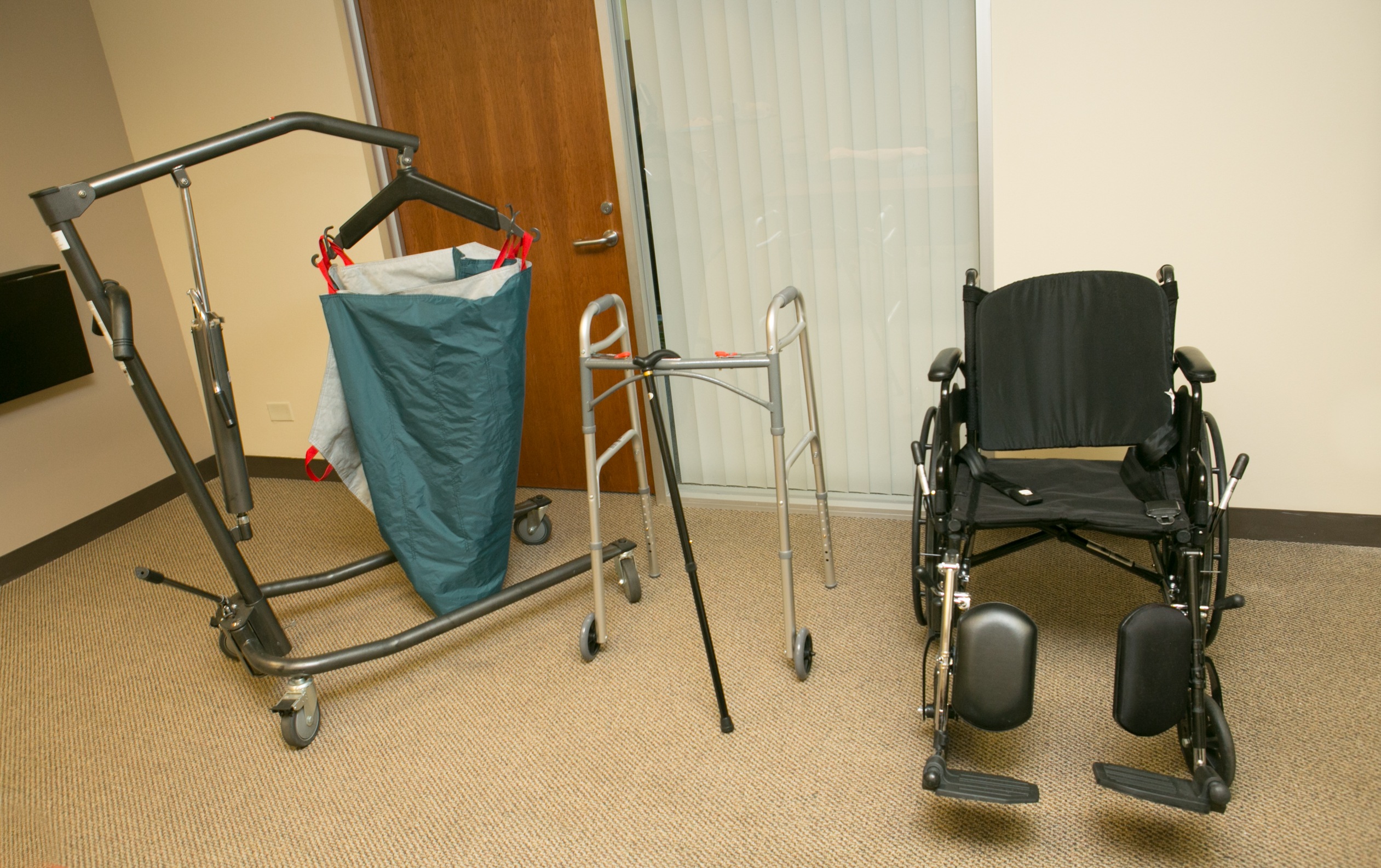
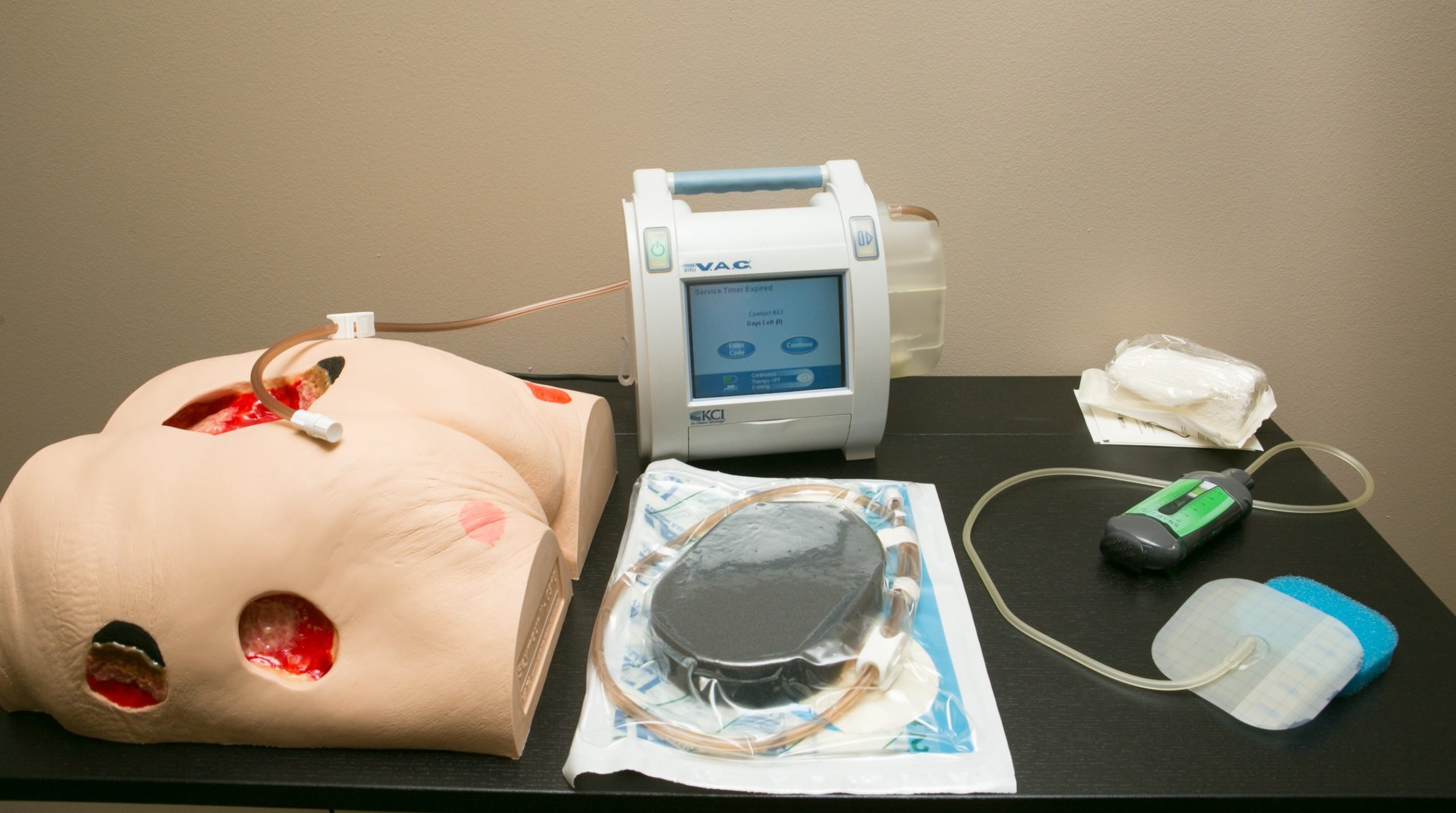
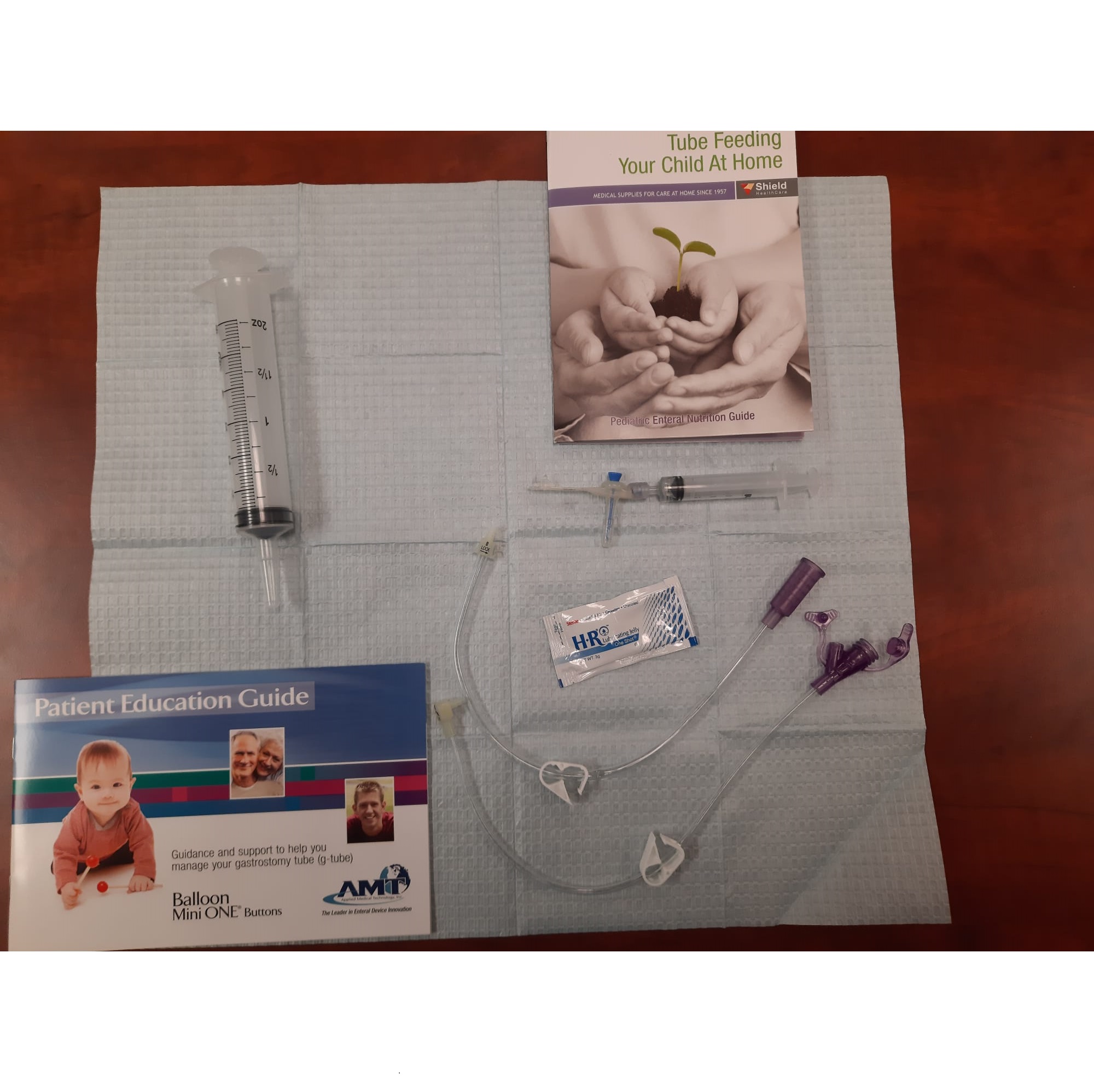
Coming Soon: Home Health Clinical Manager Foundations Certification Program
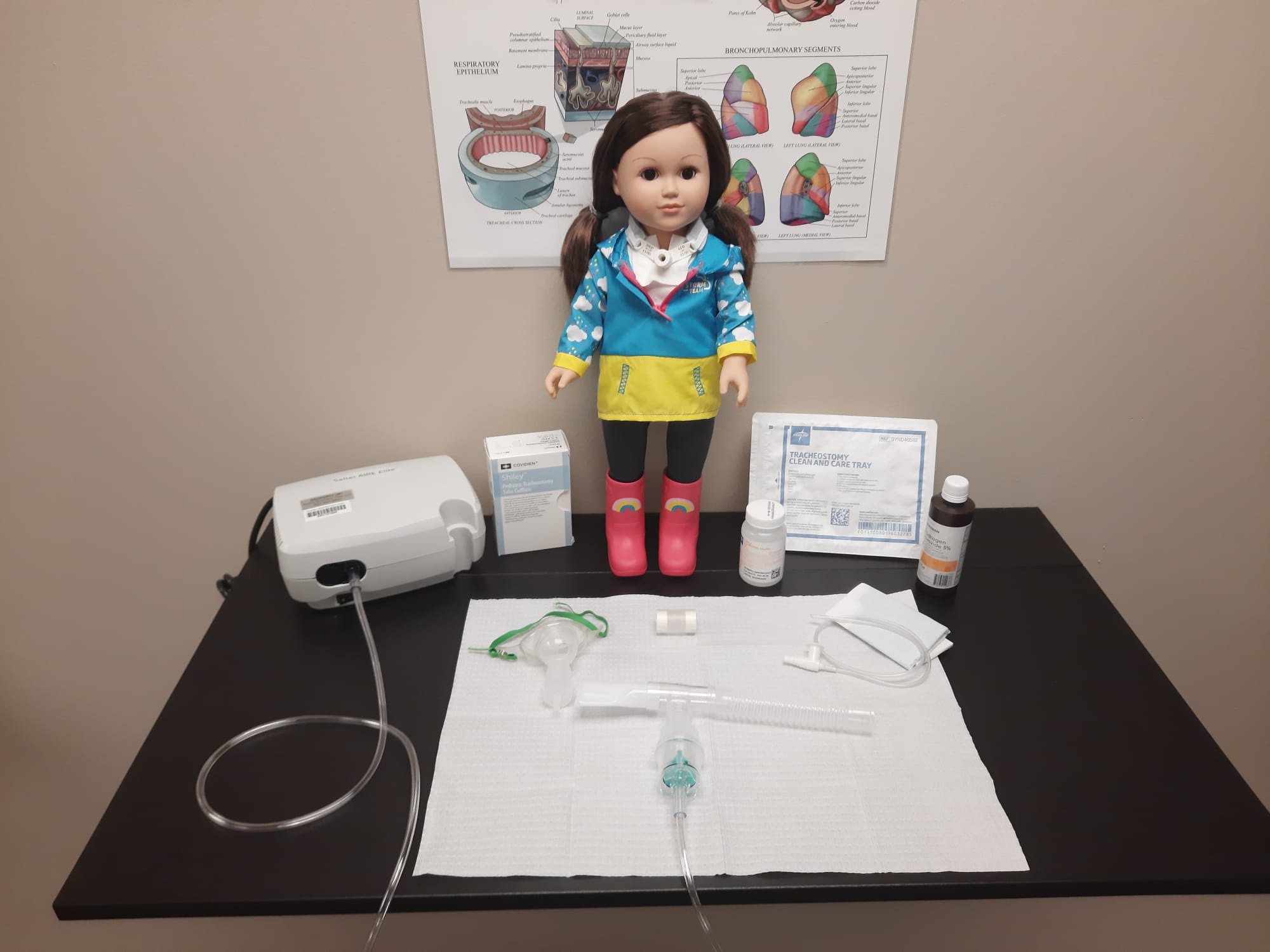
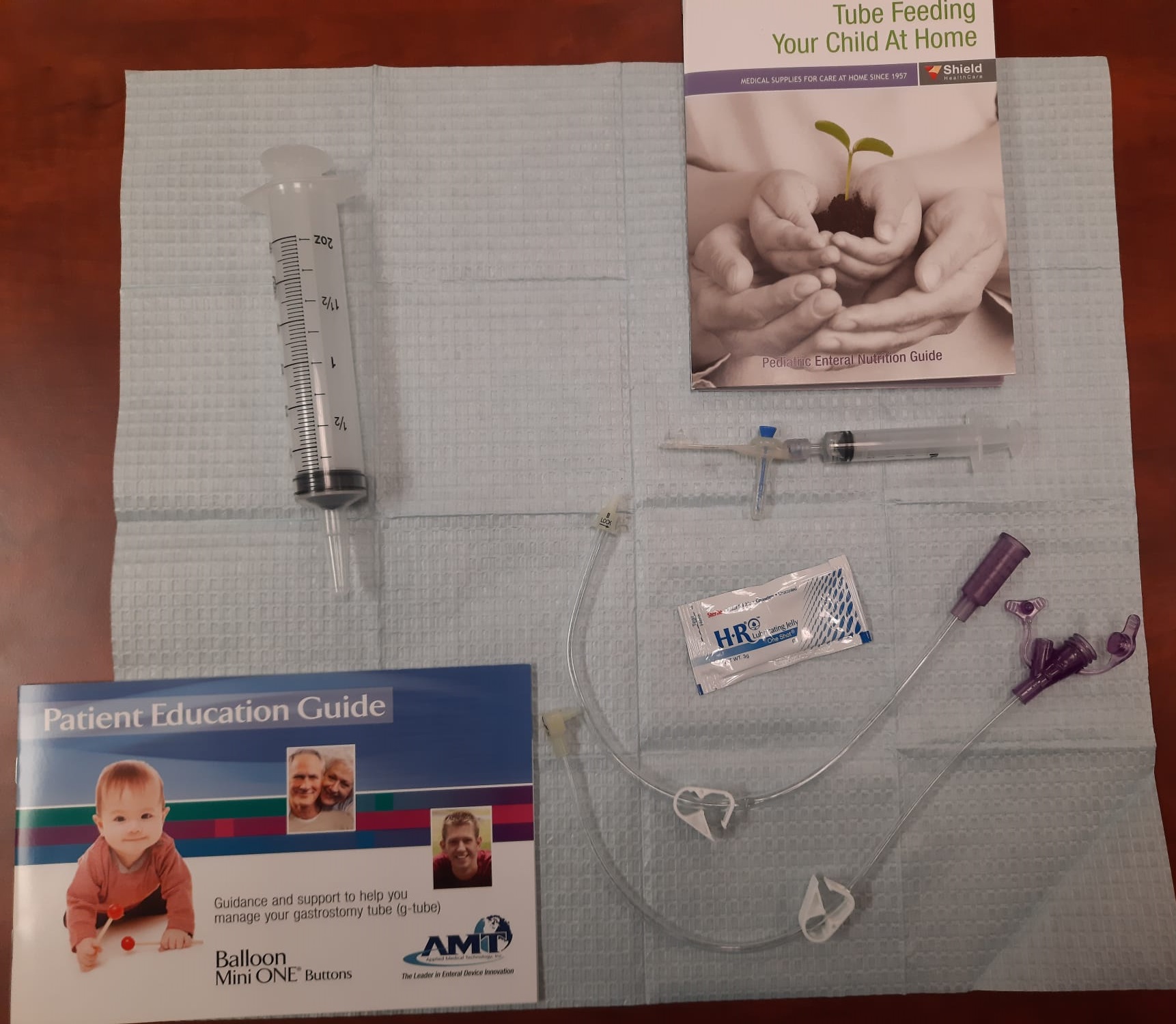
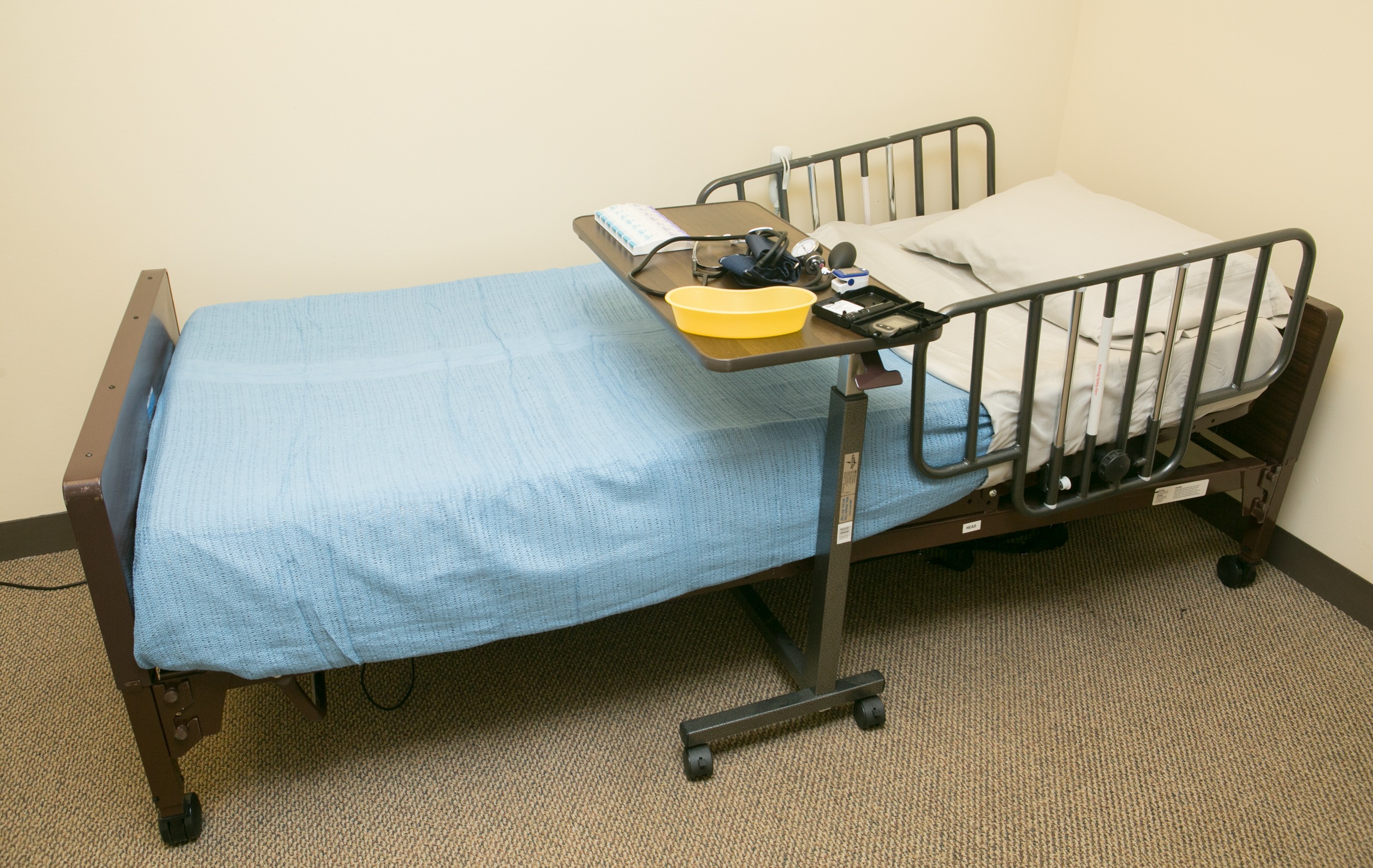
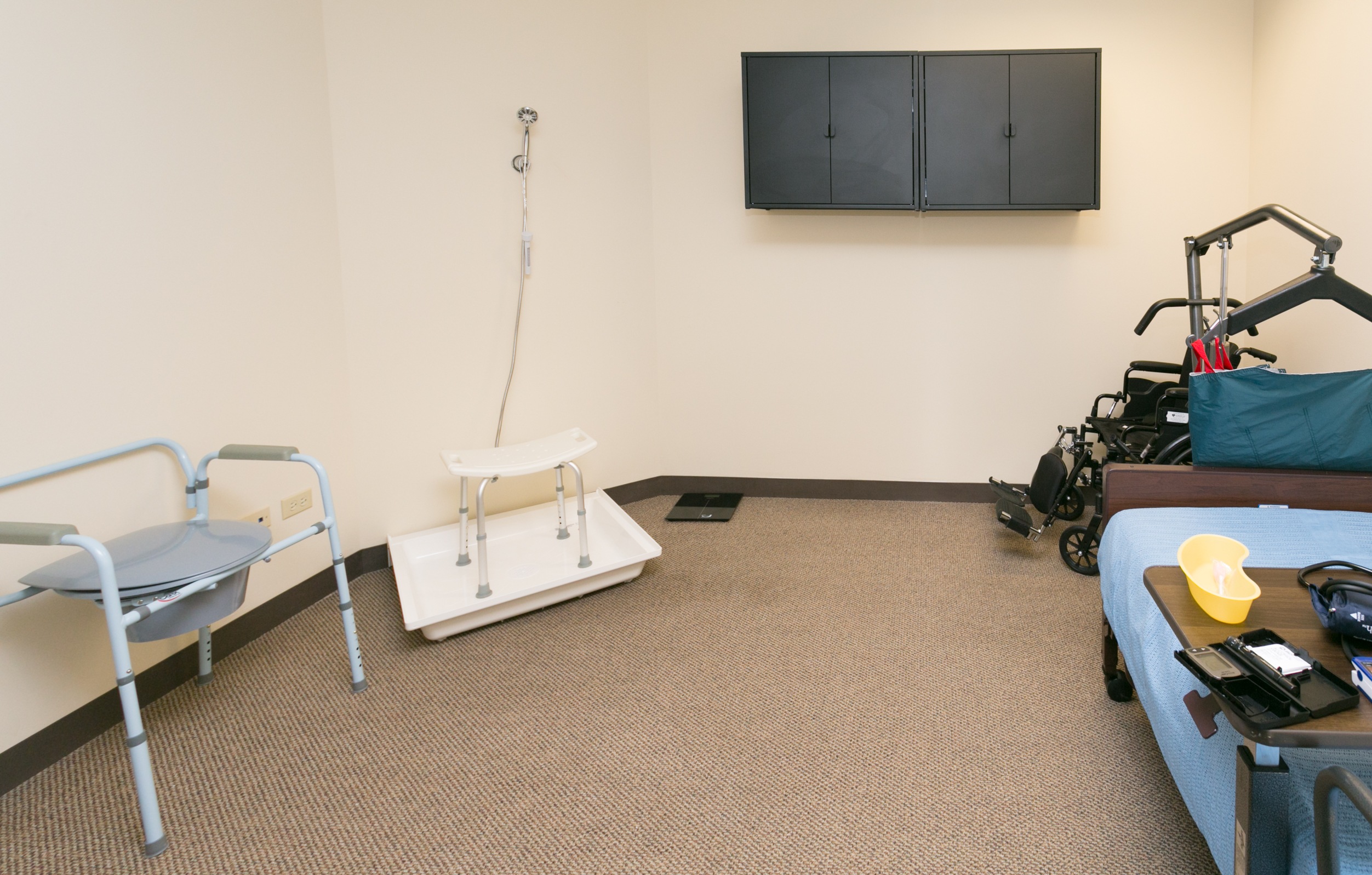
We are excited to announce that Part 1 of Amity Healthcare Group’s Home Health Clinical Manager Foundations Certification Program is coming soon!
The role of the Home Health Clinical Manager has never been more important -or more complex. Yet, many excellent clinicians step into Clinical Manager positions without structured training to prepare them for the full scope of the role.
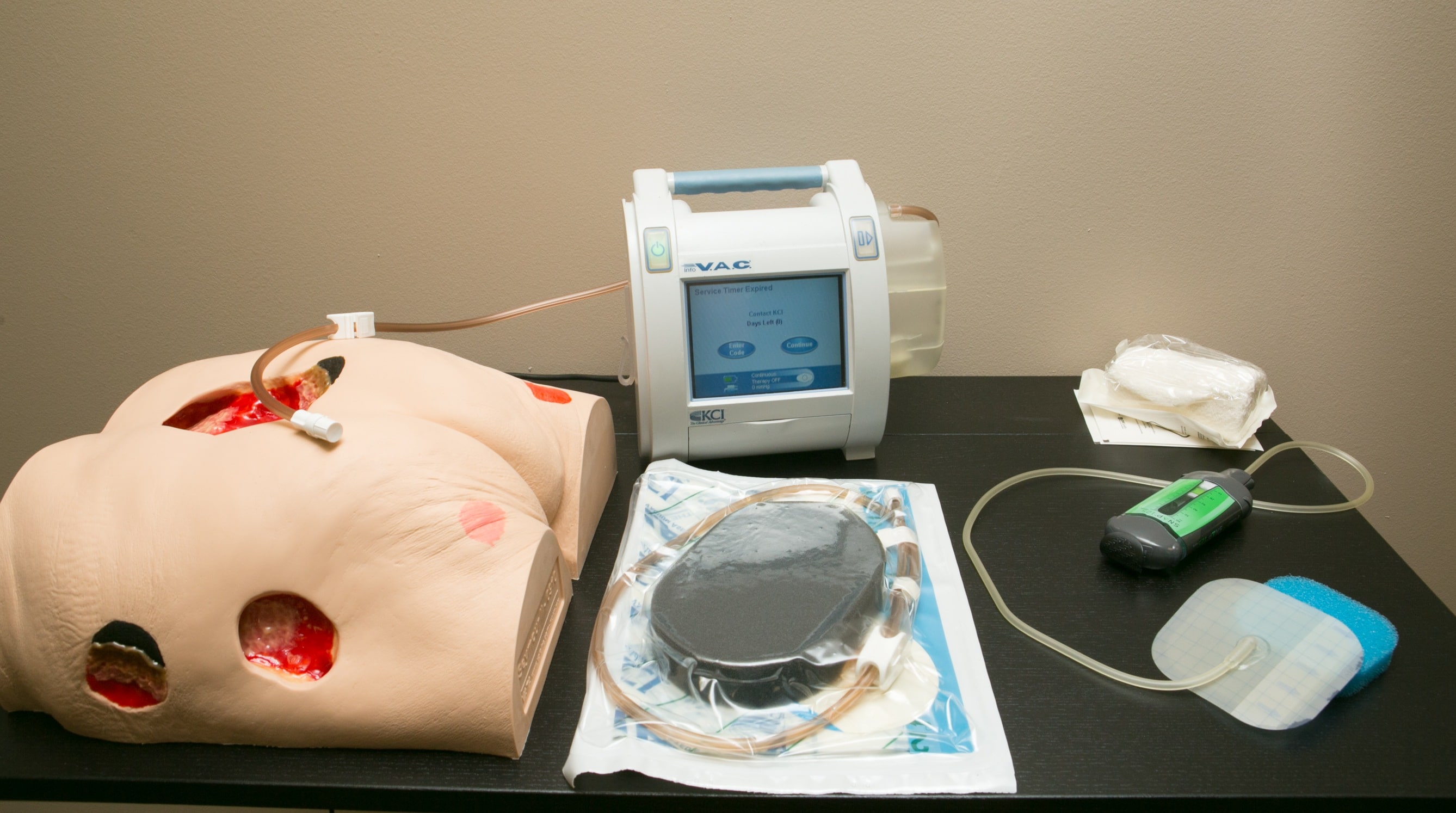
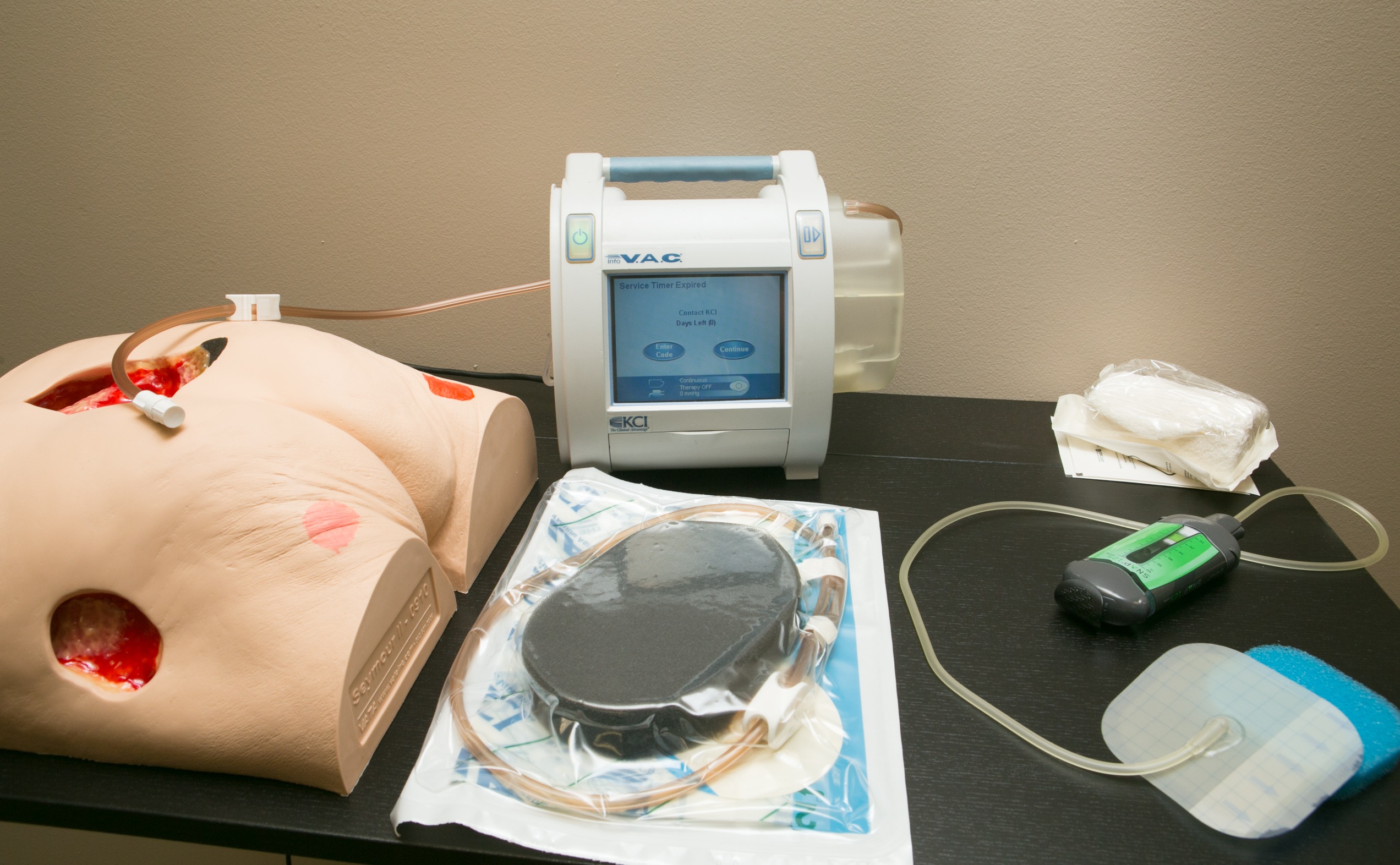
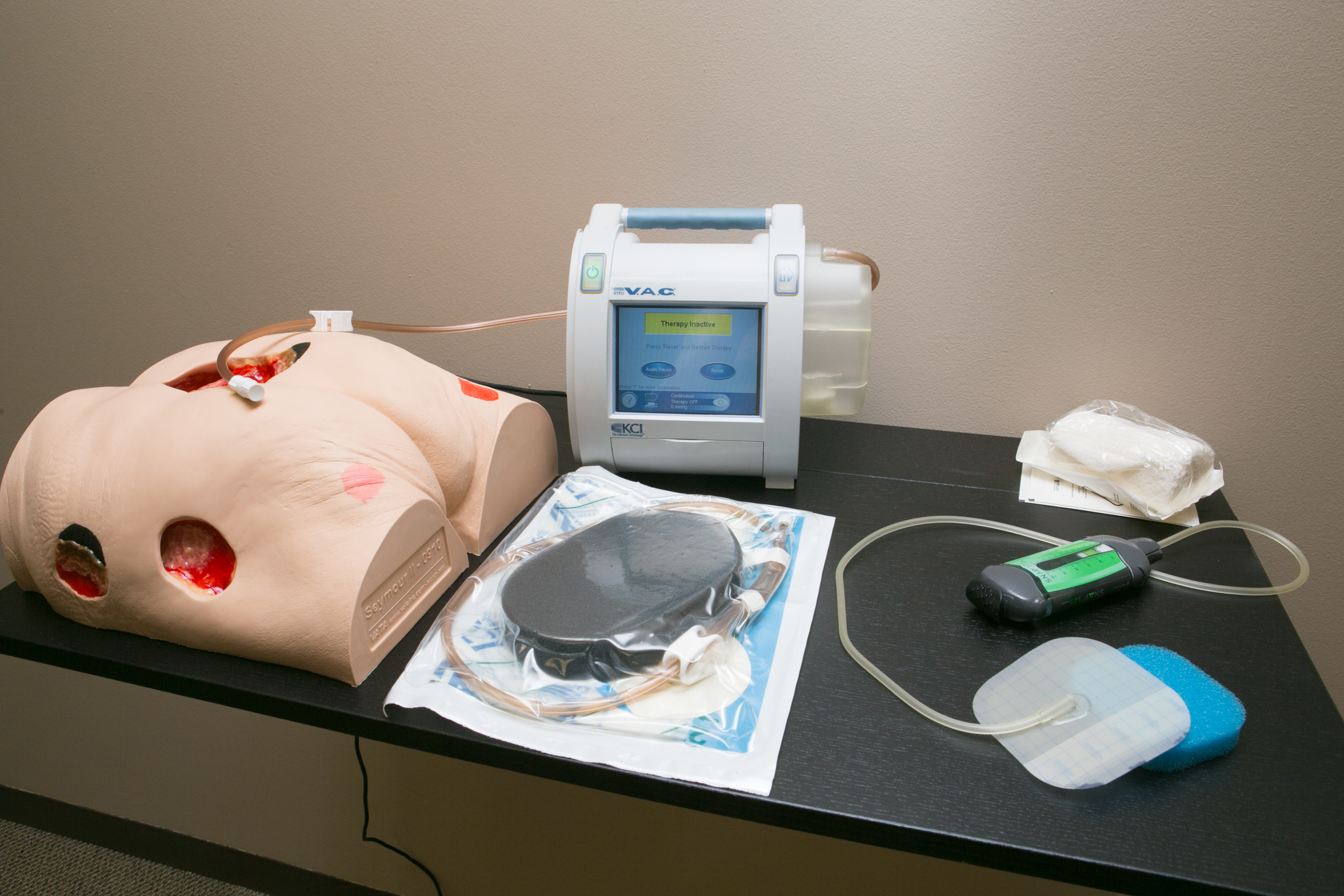
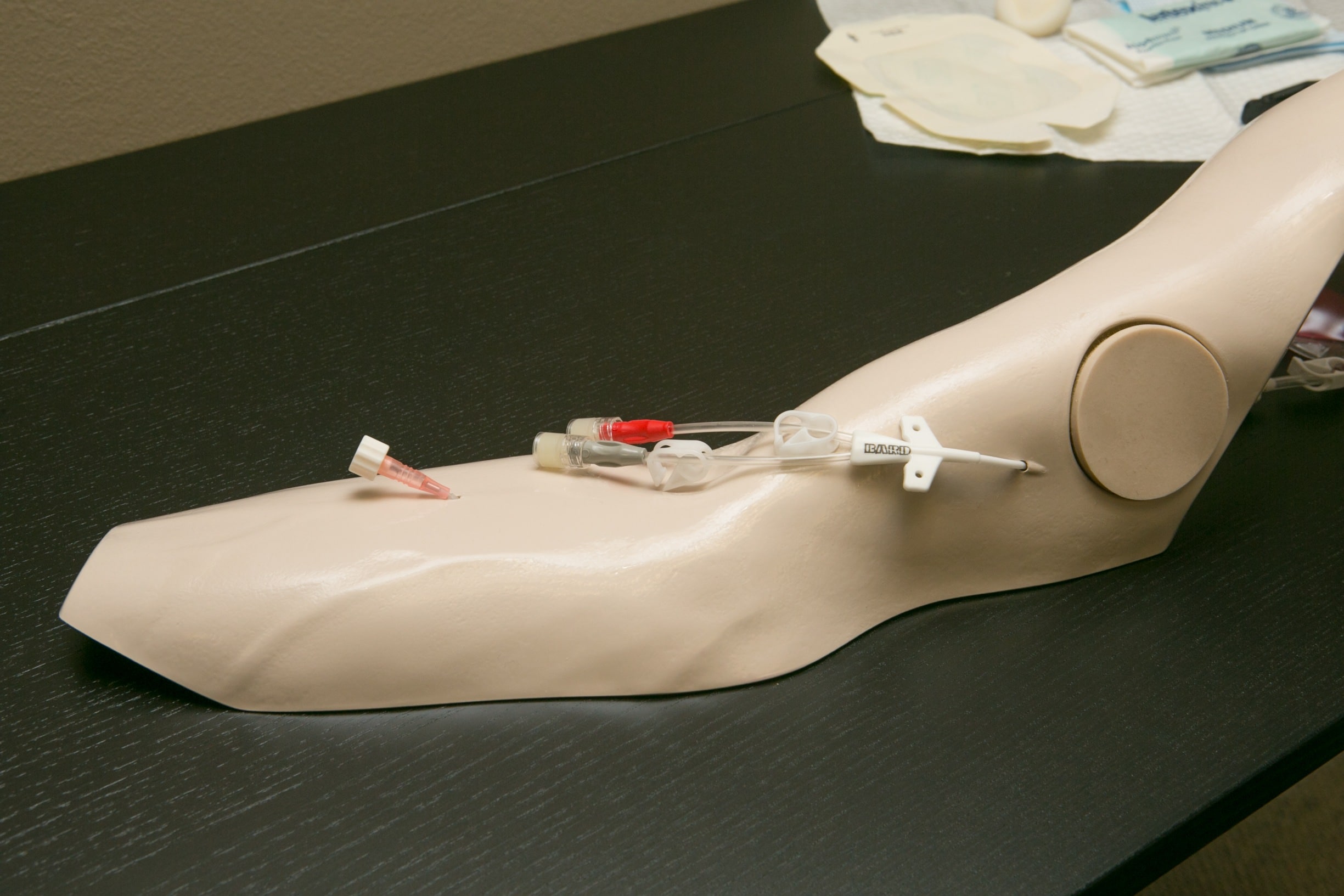
Our new 4-Part Home Health Clinical Manager Foundations Certification Program is being developed to help bridge that gap. The program will provide a practical roadmap that progressively builds from Case Management Fundamentals to Clinical Operations, Quality, Risk Management, Compliance, and Agency Oversight.

Part 1: Clinical Case Management Fundamentals is the first step in that journey and focuses on building a strong foundation for effective home health case management and regulatory oversight.
Designed for new and current Clinical Managers, clinicians new to home health or transitioning into leadership roles, and agencies looking for a structured approach to Clinical Manager development, Part 1 combines The program combines self-paced online education, practical tools and resources, and live Q&A sessions with home health experts, allowing participants to learn at their own pace while also having opportunities to ask questions and apply concepts to real-world home health situations.
Participants will progress from the fundamentals of case management to the broader responsibilities of clinical operations, quality, leadership, compliance, and agency oversight—building the knowledge and practical skills needed to become confident and effective Clinical Managers.
To learn more about our upcoming program, please visit us at https://amityhealthcaregroup.com/home-health-clinical-manager-foundations/
Stay tuned – enrollment information and additional program details are coming soon!
OASIS Corner

If you have not had a chance to review July 2026 CMS Quarterly OASIS Q&As, we would like to bring your attention to two OASIS specific items as they are both accompanied by the statement: “At times CMS provides new or refined instruction that supersedes previously published guidance. In such cases use the most recent guidance.”
- M1060 Height and Weight (Question 6 of the Q&A)
- If a patient’s height and or/weight fall outside the current technical submission specification parameters, agencies should enter the minimum or maximum value in the item. Current technical submission parameters are as follows:
- Height: 50 to 80 inches
- Weight: 65 to 440 pounds
- For example, if a patient weighs 440+ pounds, enter 440 (the maximum value) in M1060B – Weight; or if a patient is shorter than 50 inches, enter 50 (the minimum value) in M1060A – Height.
- Please note that this response supersedes the guidance found in the OASIS-E2 Guidance Manual that instructs agencies to code a dash for height and/or weight when a patient’s height and/or weight is outside of the reporting parameters.
- If a patient’s height and or/weight fall outside the current technical submission specification parameters, agencies should enter the minimum or maximum value in the item. Current technical submission parameters are as follows:
- M1311 Current Number of Unhealed Pressure Ulcers/Injuries at Each Stage (Question 7 of the Q&A)
- For M1311 – Current Number of Unhealed Pressure Ulcers/Injuries at Each Stage, if a patient has a pressure ulcer/injury that was documented on SOC/ROC then closes (i.e., heals) during the quality episode and opens again during the quality episode and remains open at discharge, the pressure ulcer/injury should not be coded as “present at the most recent SOC/ROC” when completing the Discharge assessment. This is true even if the pressure ulcer is at the same stage at both SOC/ROC and Discharge.
- Please note that this response supersedes the guidance found in the OASIS-E2 Guidance Manual, Chapter 3, Section M: Skin Conditions.
There is also a clarification of how the addition of other payers to the OASIS submission process impacts the calculation of an agency’s HHQRP Annual Payment Update (APU) compliance:
- Currently, only OASIS data from Medicare and Medicaid payers are included in HH QRP Annual Payment Update (APU) calculation.
- To calculate APU, CMS intends to include patient data from all non-Medicare/non-Medicaid patients who begin receiving skilled home health care services with an OASIS SOC M0090 date on or after January 1, 2027. If the M0090 date for the SOC is before January 1, 2027, for a non-Medicare/non-Medicaid patient, no OASIS data from any of their time points throughout their entire home health admission will be used for APU purposes, including any assessments that may be completed on or after January 1, 2027.
NATIONAL NEWS
Acceptance-to-Service Requirement for Home Health Agencies

If you have not done so yet, please ensure that your home health agency has established and implemented a patient acceptance-to-service policy that addresses the CMS requirement for home health agencies to accept only those patients whose care needs the agency can reasonably meet as outlined in 42 CFR § 484.105(i)(1)(i)–(iv).
The policy must be consistently applied to each prospective patient referred for home health services and reviewed at least annually. At a minimum, the policy must address the following factors outlined at 42 CFR § 484.105(i)(1)(i)–(iv) when determining the agency’s capacity to provide patient care:
- the anticipated needs of the referred prospective patient,
- the HHA’s case load and case mix,
- the HHA’s staffing levels, and
- the skills and competencies of the HHA staff
Home Health Agencies (HHAs) are also required to make information about their services publicly available and must review and update this publicly facing information whenever services change, but no less than annually.
Although this requirement was established as part of the Calendar Year (CY) 2025 Home Health Prospective Payment System Final Rule, CMS more recently incorporated corresponding survey guidance into Appendix B of the State Operations Manual, including two new survey tags, G990 and G992, addressing compliance with the requirement.
For a copy of the CMS guidance, please follow Acceptance-to-Service Requirement for Home Health Agencies and updated Guidance [QSO-26-13-HHA]. Please also refer to Advance Copy of SOM Appendix B – Guidance to Surveyors: Home Health Agencies within the memo. Agencies should also review any corresponding updates to their Accrediting Organization’s (AO) standards and guidance to ensure continued compliance with applicable accreditation requirements.
OIG Raises Concerns About Referral Management Software Arrangements

As we just discussed the acceptance-to-service policy requirements, it is a natural progression to also review OIG Advisory Opinion 26-15, issued earlier this summer. The U.S. Department of Health and Human Services Office of Inspector General (OIG) issued an unfavorable advisory opinion involving a home health agency’s payment of subscription fees to a vendor for access to an online referral management platform used by hospitals during the discharge and referral process.
It is important to note that OIG advisory opinions are legally binding only with respect to the requesting party and the specific arrangement presented.
Under the arrangement reviewed by OIG, hospitals used the platform to identify home health agencies and transmit patient referrals. Although both subscribing and non-subscribing providers could be presented as options, home health agencies that paid the vendor’s subscription fee could receive and respond to referrals electronically through the platform, while non-subscribing agencies had to rely on other methods, such as telephone, fax, or email. Because hospitals frequently acted on referrals on a first-come, first-served basis, OIG determined that paying subscribers could gain a significant competitive advantage in securing referrals.
OIG concluded that the arrangement could generate prohibited remuneration under the Federal Anti-Kickback Statute (AKS) if the requisite intent were present and determined that the arrangement did not satisfy the applicable safe harbor for referral services. Among OIG’s concerns were the potential for patient steering, unfair competitive advantages based on payment rather than quality of care, and increased utilization of federally reimbursable services as providers attempt to recover the costs associated with participation in the platform.
Please note that the Advisory Opinion does not prohibit home health agencies from using referral management software. Rather, it highlights the compliance risk that may arise when payment for technology also provides a provider with a competitive advantage in obtaining federally reimbursable patient referrals. Agencies should evaluate not only what they are paying for, but also whether that payment affects their access to or ability to secure referrals.
What Should Home Health Agencies Consider?
Home health agencies that use referral management platforms, electronic referral networks, or similar technology should review their current arrangements and consider:
- Whether paying a fee provides the agency with preferential, faster, or enhanced access to patient referrals;
- Whether non-paying providers are placed at a meaningful disadvantage in receiving or responding to referrals;
- Whether the fee represents payment for legitimate technology or administrative services versus payment that could be viewed as providing access to referral opportunities;
- How the vendor’s fee structure is established and whether the arrangement potentially implicates the Federal Anti-Kickback Statute; and
- Whether the arrangement should be reviewed by qualified health care legal counsel as part of the agency’s compliance program.
2025 PEPPER Reports Now Available for Home Health Agencies

Please note that CMS has released the 2025 Program for Evaluating Payment Patterns Electronic Report (PEPPER) for home health agencies.
The PEPPER provides agency-specific Medicare billing data and comparative statistics that can help agencies identify areas that may warrant further review.
Home health agencies are encouraged to review their PEPPER data as part of their ongoing compliance and monitoring activities. PEPPER findings do not necessarily indicate improper billing or noncompliance. Rather, they can serve as an important compliance tool to help agencies identify potential areas of risk and determine where additional review, education, or auditing may be appropriate.
The report can help agencies:
- Identify billing patterns or outliers that may warrant further review;
- Identify areas that may benefit from increased monitoring or internal auditing;
- Evaluate potential under-coding or over-coding trends; and
- Monitor utilization patterns and other trends, including longer lengths of stay.
Authorized officials (AOs), access managers (AMs), and staff end users (SEUs) can download their organization’s report from the PEPPER Portal.
For more information and support on PEPPER, you could also visit the Training & Resources webpage for more information about the release and the User Guide or visit Quick Reference Guide and FAQs: Step-by-step instructions for AOs and AMs.
You can also Register for a webinar that will be held on September 24 at 1 pm ET.
New CMS Educational Resources:
- Fraud, Waste and Abuse CMS issued updated resources for fraud, waste and abuse prevention that can be effectively utilized for staff training. To access recourse, please go to:
- Booklet (PDF)
- Web-based training course
- Home Health (HH) Quality Reporting Program (QRP) CMS is offering a web-based training that provides an overview of the Home Health (HH) Quality Reporting Program (QRP), including its purpose, reporting requirements, and quality data sources. The course reviews Outcome and Assessment Information Set (OASIS) and Home Health Consumer Assessment of Healthcare Providers and Systems (HHCAHPS) Survey reporting requirements, explains how quality measures and star ratings are calculated and publicly reported.
COLORADO NEWS
Health Facilities Survey Process

We have recently seen an increase in citations issued to home health and home care agencies related to delays in providing requested documentation to CDPHE surveyors, particularly when records are not provided within 30 minutes of the request.
The Colorado Department of Public Health and Environment (CDPHE), Health Facilities and Emergency Medical Services (HFEMS) Division, has identified the time spent requesting and gathering documentation during surveys as an area for improvement.
To help streamline the survey process, CDPHE has developed standardized documentation request lists based on facility type. Agencies are encouraged to use these lists to prepare survey-related materials in advance and, whenever possible, have the requested documentation organized and readily available in a single location at the start of the survey.
Requested Documentation – HCA Class A
- EMR or Paper access to full records
- Patient list that includes full name, primary diagnosis, address, phone number, services (SN, CNA, PT, OT, ST, MSW)
- List of patients receiving wound care, catheter care, ostomy care, insulin administration, PICC lines/IV, trach care, Coumadin, nurse delegation, private duty nursing (PDN)
- List of patients receiving non-medical care (if applicable)
- Visit schedule for next three days, including patient and staff
- Personnel list including name, title/position, phone number, hire date, if contracted
- Complaint log
- Last 2 years of Emergency Preparedness Risk Assessments
- List of branches and/or workstations with addresses and phone #s (if applicable)
- Index of P&P (highlight to request P&P before exit)
For Medicare certified home health agencies, the list also includes:
- Completed CMS-1572 (provide via email following entrance and request by EOB)
- Number of unduplicated admissions for the last 12 months
- List of patients discharged in the last 6 months with DC date and reason for DC
Requested Documentation – HCA Class B
- EMR or Paper access to full records
- Consumer list that includes full name, address, phone number, services (PCW, homemaker, companion)
- Visit schedule for next three days, including consumer and staff
- Personnel list including name, title/position, phone number, hire date
- Complaint log
- Last 2 years of Emergency Preparedness Risk Assessments
- Index of P&P (highlight to request P&P before exit)
Reminder: 2026 Workforce Reporting & Base Wage Attestation
If you are a Class A home health agency providing Home and Community-Based Services (HCBS) that qualify for Colorado’s base wage requirements (Qualifying Services) including IHSS, homemaking, and/or personal care services, please remember that you are required to complete the 2026 Workforce Reporting and Base Wage Attestation.
The reporting deadline was August 31, 2026. If your agency has not yet submitted the required report and attestation, please do so as soon as possible.
Failure to comply with applicable Base Wage and workforce reporting requirements may result in compliance action, including audit, corrective action, suspension of claims, and recoupment.
If you are not sure whether the requirement applies to your agency?
Contact the Colorado Department of Health Care Policy & Financing (HCPF) at [email protected].
Long-Term Services and Supports Providers Required Licensure Updates

From August 1, 2026, providers will have sixty (60) days from the “issued on” date for each license to update their licensure with HCPF. Notifications will be sent to the Provider Enrollment contact on file with the Fiscal Agent, Gainwell Technologies.
Starting October 1, 2026, however, providers may experience claim denials if license effective and end date on file with CDPHE do not match information on file with the Colorado Department of Health Care Policy and Financing (HCPF) for dates of service on or after October 1, 2026. Providers must resubmit any previously denied claims once license updates are completed.
Providers can update the license in the Provider Web Portal by completing a Provider Maintenance Request.
TEXAS NEWS

Revised SEMARC Guidance for Providers
HHSC has published a revised version of Provider Letter 2026-10-10 addressing provider responsibilities for the Search Engine for Multi-Agency Reportable Conduct (SEMARC).
The revised guidance includes the hold-harmless period from August 3, 2026, through October 5, 2026. During this period, providers will have additional time to implement and adjust to SEMARC-related requirements while HHSC transitions to the revised process.
Thank you,
Irina Gorovaya, RN BSN, MBA
Amity Healthcare Group, LLC
Home Health Consulting, Education and Outsourcing Services
713-564-5011 (Houston Office), 303-690-2749 (Denver Office), 720-398-6200 (fax)
https://amityhealthcaregroup.com/


If you wish to unsubscribe from this email distribution list, please email to [email protected].
Confidentiality Notice: The information contained in this message is privileged and confidential information intended for the use of the individual or entity named above.
Copyright © 2026 Amity Healthcare Group. All rights reserved.
Amity Healthcare Group
Houston Office
1201 Fannin Street, Suite 262,
Houston, Texas 77002
Denver Office
12835 East Arapahoe Road, Tower II, Suite 320,
Centennial, CO 80112